
Understanding Headaches: Causes, Tests, and Treatments
Learn the common causes of headaches, how they’re diagnosed, and the most effective treatment options to relieve pain and improve daily function.
EDUCATION
Dr. Rajan Gupta, MD | Kunti Patel
3/5/20252 min read
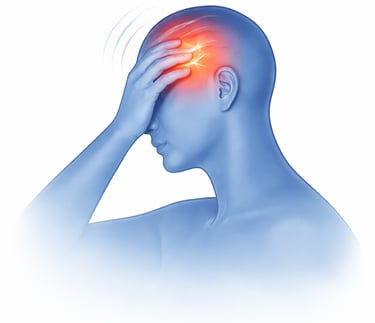
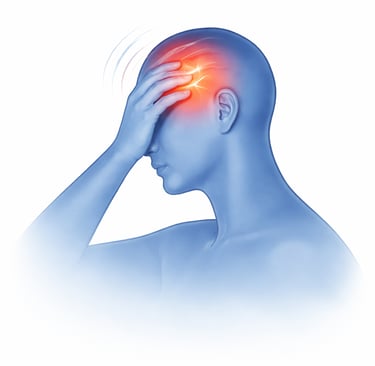
Headaches are a common ailment that can affect individuals of all ages and backgrounds. Various factors contribute to the onset of headaches, and understanding these causes can help in managing them effectively. Tension headaches, for example, are often triggered by stress, anxiety, or muscle strain in the neck and shoulders. Migraines, on the other hand, can be related to genetic factors, hormonal changes, or environmental triggers such as certain foods or weather conditions.
Other causes of headaches can include sinus infections, dehydration, and overexertion. It’s essential to identify the underlying cause of your headaches as this will guide your approach to treatment and prevention.
What Causes Headaches?
Tests to Diagnose Headaches
Your treatment plan for headaches will depend on their type and severity. For mild tension headaches, over-the-counter pain relievers like ibuprofen or acetaminophen may be sufficient. For more severe headaches such as migraines, a healthcare provider might prescribe specific medications designed to alleviate pain and prevent future episodes.
In addition to medication, lifestyle changes can play a crucial role in managing headaches. Regular physical activity, maintaining a balanced diet, adequate hydration, and effective stress management techniques such as yoga or meditation can help reduce the frequency and intensity of headaches. It’s essential to discuss these options with your healthcare provider to determine the best approach for your specific situation.
One common cause of headaches is occipital neuralgia, a condition that occurs when the occipital nerves—located at the back of the head—become irritated or inflamed. Occipital neuralgia can closely mimic migraine headaches, presenting as pain on one side or both sides of the head, and it may also cause pain that radiates behind the eyes, on the scalp, or towards the neck. This type of headache is often described as sharp, shooting, or burning, and in many cases it can be triggered by trauma such as car accidents, whiplash, falls, or other neck and head injuries. Muscle tension, nerve compression, or inflammation in the neck and upper spine can also contribute to irritation of the occipital nerves.
How to Treat Headaches?
Head or Neck Injury?
If headaches are frequent or severe, it's advisable to consult a healthcare professional for a proper diagnosis. During the assessment, your doctor will likely perform a thorough physical examination and take a detailed medical history. Additional tests may include imaging studies such as MRIs or CT scans, or blood tests, to rule out any serious underlying conditions, especially if headaches are accompanied by neurological symptoms.
Keep a headache diary that tracks the frequency, intensity, and triggers of your headaches can also be a valuable tool for your healthcare provider.
An effective treatment option for occipital neuralgia is a procedure called an occipital nerve block. This targeted injection helps reduce inflammation around the affected nerve and can provide significant pain relief. In addition to easing current symptoms, an occipital nerve block can also help confirm whether the occipital nerve is the source of the headache. Many patients experience meaningful relief, sometimes lasting weeks to months, allowing them to return to daily activities with improved comfort and function.
PAIN INSTACARE
"Best Pain Relief Possible"
Contact Us
paininstacare@gmail.com
1-888-PAIN-121 | 1-888-7246-121
© 2026. All rights reserved.


FAX: 1-856-482-7245
1-856-482-7246
100 Springdale Rd, Suite B5, Cherry Hill, NJ 08003
1420 Walnut St, Suite 406, Philadelphia, PA 19102


PAIN INSTACARE @ ECHELON FITNESS 1160 White Horse Rd, Voorhees, NJ 08043