
Chronic Back Pain Causes & Treatment | Cherry Hill & Philadelphia
Learn the common causes of chronic back pain and modern treatment options in Cherry Hill and Philadelphia, including non-surgical pain management solutions.
Dr. Rajan Gupta, MD | Kunti Patel
2/17/20263 min read
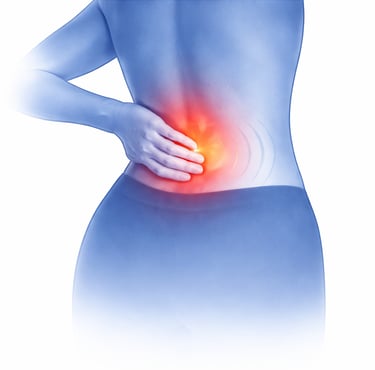
Chronic back pain is one of the most common reasons people seek medical care, and it can affect your ability to work, sleep, exercise, and enjoy daily life. Back pain is considered “chronic” when it lasts longer than three months or keeps returning despite rest, physical therapy, or basic treatments.
Chronic Back Pain Causes & Treatment
What Is Chronic Back Pain?
Chronic back pain is pain in the upper, middle, or lower back that persists over time or repeatedly flares up. Unlike acute back pain, which often improves within days or weeks, chronic pain may continue for months or even years if the underlying cause is not addressed. Chronic back pain can develop from several conditions, including herniated or bulging discs, degenerative disc disease, facet joint arthritis, spinal stenosis, muscle strain, and sacroiliac (SI) joint dysfunction. In many cases, more than one issue contributes to ongoing pain, which is why a thorough medical evaluation is so important.
Symptoms You May Notice
Some people experience a constant dull ache, while others feel sharp or burning pain that may radiate into the legs. Stiffness, reduced flexibility, and pain that worsens with sitting, standing, or certain movements are also common signs of chronic back problems.
Degenerative Disc Disease
As we age, spinal discs naturally lose hydration and flexibility. This wear and tear can lead to disc degeneration, which may cause chronic pain, stiffness, and reduced movement.
Herniated or Bulging Discs
Spinal discs act as cushions between the bones of your spine. When a disc bulges or herniates, it can press on nearby nerves, causing back pain and sometimes radiating pain, numbness, or weakness in the arms or legs.
Common Causes of Chronic Back Pain
Facet Joint Arthritis
Facet joints are small joints in the spine that help guide movement. Arthritis or inflammation in these joints can cause localized back pain, especially with twisting, bending, or standing for long periods.
Spinal Stenosis
Spinal stenosis is a narrowing of the spinal canal that can put pressure on nerves. It often causes back pain, leg pain, numbness, or weakness, especially when walking or standing.
The SI joints connect the spine to the pelvis. Inflammation or dysfunction in these joints can cause lower back, buttock, or hip pain that is often mistaken for disc or muscle problems.
Sacroiliac (SI) Joint Dysfunction
Muscle and Ligament Strain
Poor posture, repetitive movements, heavy lifting, or previous injuries can lead to chronic muscle tension or ligament strain, contributing to ongoing back pain.
Most of the cases we handle at Pain Instacare come from incidents such as motor vehicle accidents, slips & falls, and worker's compensation cases. If you're experiencing pain related to any of these types of incidents, please reach out to us directly or have your attorney or chiropractor get in touch with us for additional pain management services.
How Chronic Pain Is Diagnosed
Proper diagnosis is key to effective treatment. Your evaluation may include:
A detailed medical history and physical exam
Imaging studies such as X-rays or MRI scans
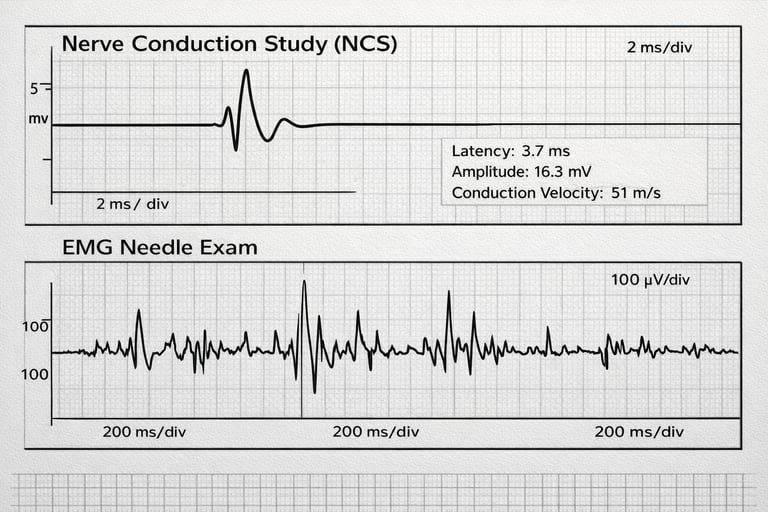
EMG or nerve conduction studies if nerve involvement is suspected
Diagnostic injections to help identify the exact source of pain
The goal is to pinpoint the structure causing your pain, whether it’s a disc, joint, nerve, or muscle.
Non-Surgical Treatment Options for Chronic Back Pain
Focused exercises can improve strength, flexibility, posture, and spinal stability, helping reduce pain and prevent future flare-ups.
Medications may be used to help manage pain and inflammation, especially during flare-ups or while starting other treatments.
Targeted injections can help reduce inflammation and relieve pain at the source:
Epidural steroid injections for nerve-related pain
Facet joint injections for joint-related pain
Sacroiliac joint injections for SI joint dysfunction
For some patients with chronic facet joint or SI joint pain, RFA can provide longer-lasting relief by interrupting pain signals from irritated nerves.
Physical Therapy and Rehabilitation
Medications
Injections
Improving posture, adjusting work habits, maintaining a healthy weight, and staying active can all play a role in long-term pain control.
Radiofrequency Ablation (RFA)
Lifestyle and Activity Modifications
PAIN INSTACARE
"Best Pain Relief Possible"
Contact Us
paininstacare@gmail.com
1-888-PAIN-121 | 1-888-7246-121
© 2026. All rights reserved.


FAX: 1-856-482-7245
1-856-482-7246
100 Springdale Rd, Suite B5, Cherry Hill, NJ 08003
1420 Walnut St, Suite 406, Philadelphia, PA 19102
PAIN INSTACARE @ ECHELON FITNESS 1160 White Horse Rd, Voorhees, NJ 08043